DANEX 2026 concluded: The Royal Danish Navy protected the Kingdom of Denmark from the sea with strength and modern technology
The naval exercise DANEX has just tested the Royal Danish Navy's ability to protect Danish waters. During the past week, 650 sailors, ships, drones and helicopters have taken part in this year's major naval exercise.
August 21, 2026 - 10:00
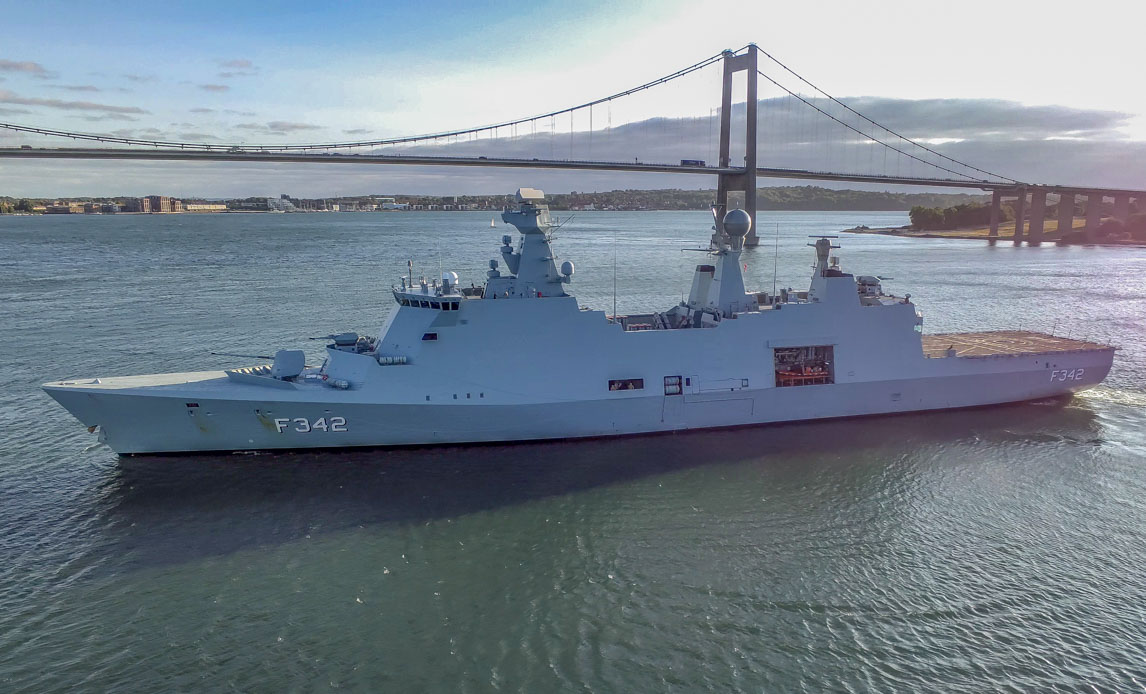
Photo: Danish Defence
By Danish Defence
During this week, the Royal Danish Navy held its annual exercise DANEX in Danish waters. With 650 sailors aboard three frigates, plus about 10 smaller units, staff, helicopters, and air, surface, and underwater drones, the Navy tested its ability to defend the Kingdom above, on, and below the water.
The exercise comprised three phases: a serialised programme in which the units trained basic skills; a port visit to Copenhagen with an Open Ship event for the public, the DANEX sports tournament at Naval Base Holmen and a Naval Church service, as well as an intensive scenario phase off Kalundborg, Middelfart and around Anholt. The exercise included live firing within the firing range off Sjælands Odde.
The Royal Danish Navy protects the Kingdom of Denmark from the sea – with force if necessary
The purpose of DANEX was clear: to demonstrate the Royal Danish Navy's ability to counter threats in a national context and deter potential adversaries. Rear Admiral Søren Kjeldsen, Chief of the Royal Danish Navy, highlights the exercise's central importance:
“The exercise reflects the Navy's focus on strengthening Denmark's maritime security, in light of the current security situation and future threats. More specifically, our units and personnel at sea and ashore have trained surveillance, enforcing our sovereignty and the ability to react to unforeseen events on, above and below the surface of the sea. The planned scenarios are directly linked to the reality the Kingdom of Denmark is facing. For the last three days, none of the participants knew the exercise scenario in advance, but together they solved the task,” says Rear Admiral Søren Kjeldsen.
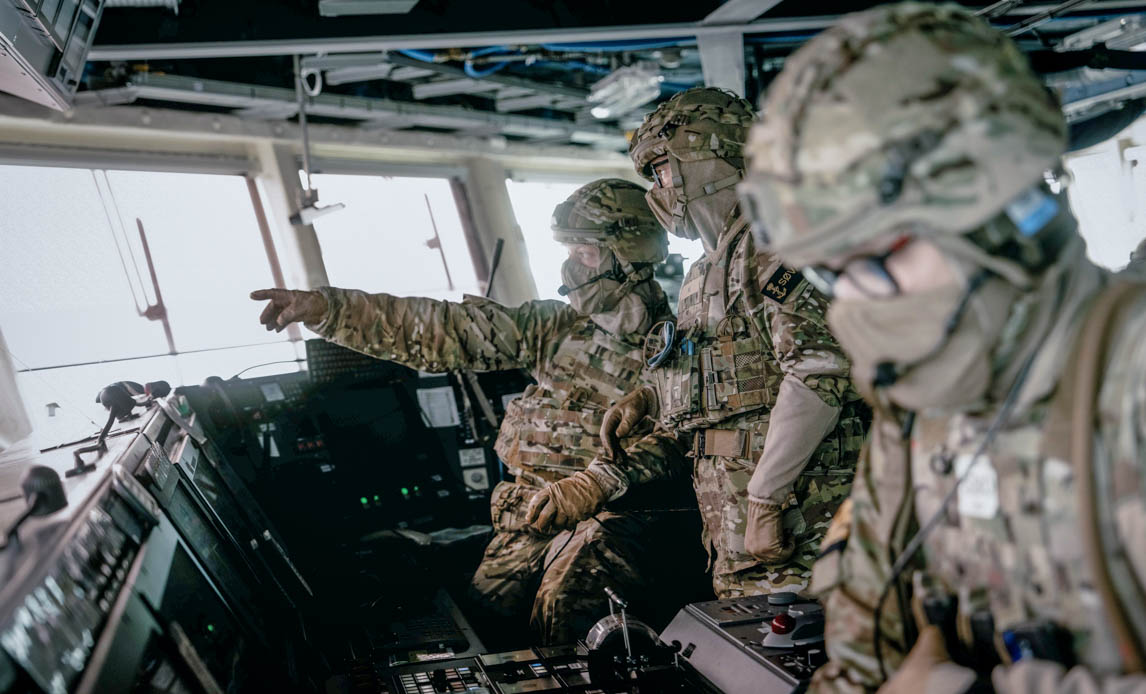
Photo: Danish Defence
Commodore Bo Overgaard is Deputy Commander of the Royal Danish Navy and Commander Danish Task Group, and had the overall coordination responsibility for the exercise. He emphasises the importance of professional depth.
“An exercise like DANEX requires practical leadership and coordination at all levels. It is about ensuring that all participants can achieve the relevant training outcome while working together as one. This is where our sailors become even more efficient, communication improves, and procedures become more robust. That is crucial when action is needed in crisis and conflict,” says Commodore Bo Overgaard.
In addition to the operational aspects, DANEX 2026 also focused on showcasing the Navy as an attractive workplace. The port visit to Copenhagen allowed the public to visit the Danish naval vessels, meet sailors and learn about career opportunities in the Navy.
An important reminder that the Navy's strength depends not only on materiel, but also, to a great extent, on the people who carry out the daily tasks.
“Combat power and the ability to 'fight tonight' are not just machines and mechanics. Its also about the joint training of our personnel across units at sea and ashore, and ensuring that communication throughout the entire chain of command works effectively and precisely,” says the Chief of the Royal Danish Navy, Rear Admiral Søren Kjeldsen.
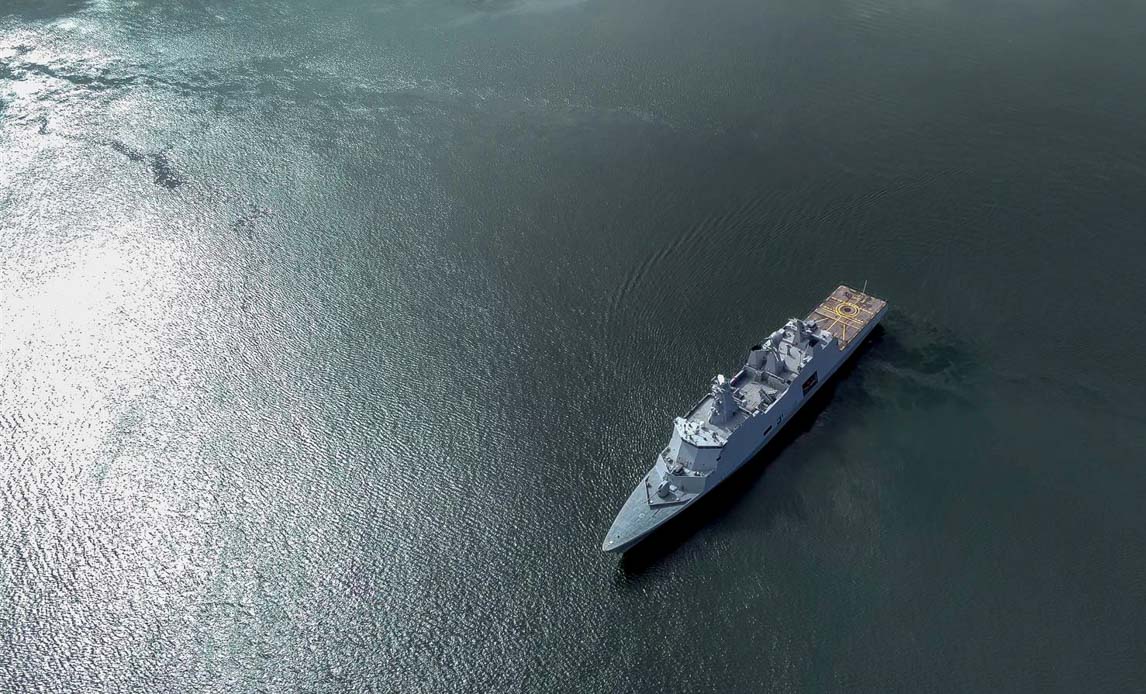
Photo: Danish Defence
With DANEX 2026 concluded, the Royal Danish Navy returns to normal routines, confirmed that Danish sailors have the will and an improved capability to protect the Kingdom of Denmark - from the sea.