Defending the Baltic Sea: Denmark sails with NATO allies in major US-led naval exercise
Throughout June, there will be an increased military presence in the Baltic Sea as the 55th edition of the exercise Baltic Operations (BALTOPS) takes place. Denmark is training alongside several NATO allies to develop the capability to defend the Baltic Sea and the entire Baltic region.
June 4, 2026 - 12:00
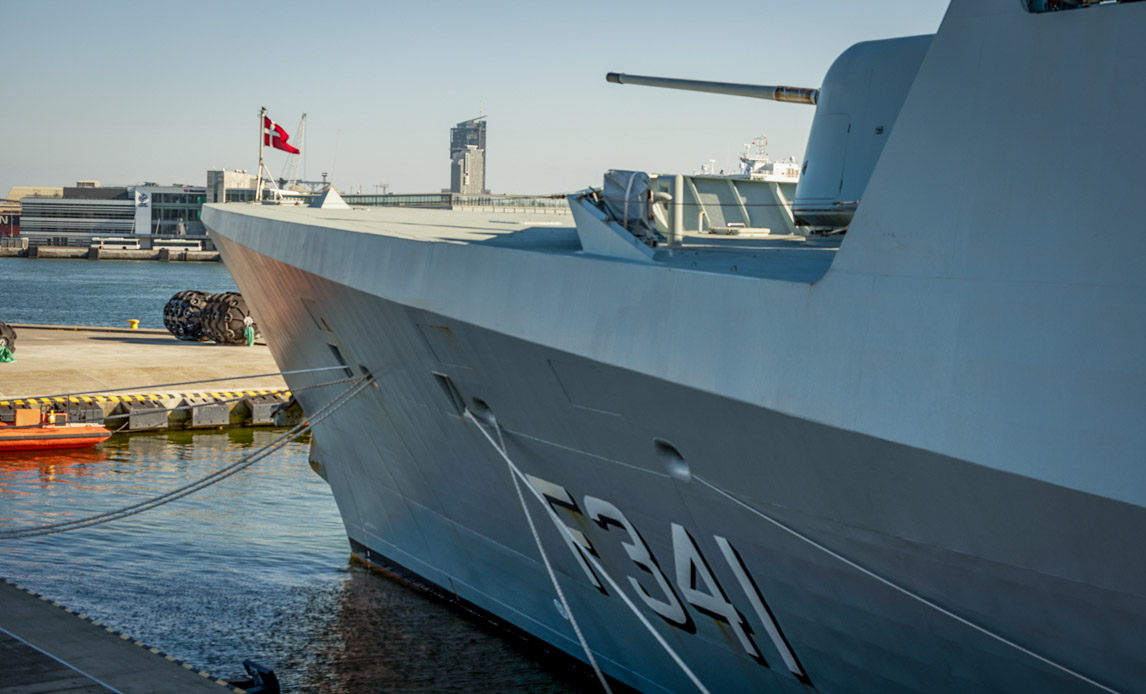
Photo: Danish Task Group / Danish Defence
By the Danish Defence
Hundreds of soldiers, warships and combat aircraft from 16 NATO nations.
That is the scale of participation in the major naval exercise BALTOPS currently under way in the Baltic Sea. The BALTOPS exercise has been conducted annually since 1972 and has over time become one of the largest and most important maritime exercises for NATO and the Royal Danish Navy.
The purpose of Danish participation in the exercise is to strengthen Denmark's and NATOs ability to defend the Baltic region, thereby continuing to maintain stability, security and freedom of navigation in the Baltic Sea.
It is the largest exercise conducted in the region and provides a unique opportunity to practise close cooperation with other NATO units in defending the waters.
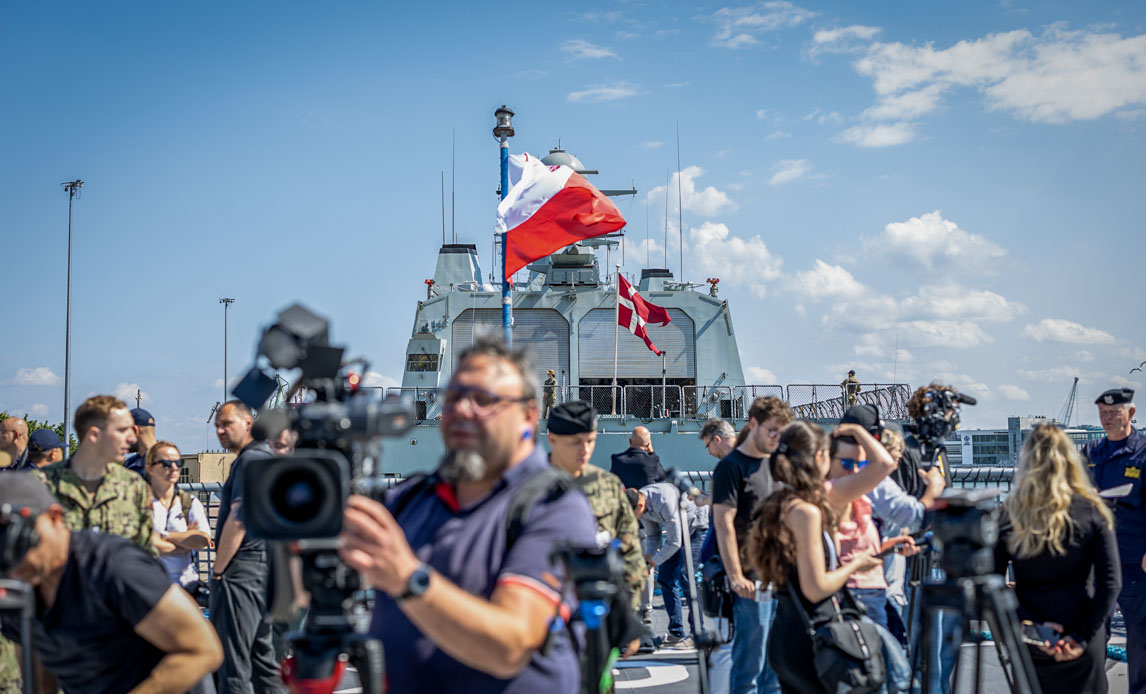
Port visit in Poland ahead of the exercise. Photo: Danish Task Group / Danish Defence
The Danish contribution to the exercise consists of the frigate Absalon with its accompanying Seahawk helicopter. The exercise also includes the Naval Staff, which operates and commands a large group of warships from the flagship Absalon.
"When we spend several weeks exercising and training the defence of the Baltic Sea and the Baltic states, it is because these areas are incredibly important to Denmark and NATO. The defence of Denmark begins out here in the Baltic Sea," says Flotilla Admiral Bo Overgaard, Deputy Commander of the Royal Danish Navy, Commander of the Danish Task Group and Commander of the international group in the exercise. "We are participating in the exercise to strengthen Denmark's and NATO's ability to defend the entire Baltic region."
The exercise is structured in two parts, the first of which consists of unit and combined arms training. Once that has been practised, the exercise transitions to a tactical exercise in which the forces will face a series of realistic scenarios that they must handle and counter together.
"The purpose of the exercise is to train both the ship's crew and the Naval Staff – but also to strengthen our cooperation with our NATO allies aboard the other units. We do many things the same way – but there is also a great deal we can learn from one another," says Bo Overgaard.
The Naval Staff – or Danish Task Group – is participating in order to strengthen the ability to command an international naval force effectively; amongst other things, to be able to conduct escort operations in the Baltic Sea across NATO's borders.
The exercise spans most of the Baltic Sea and concludes on 19 June.